
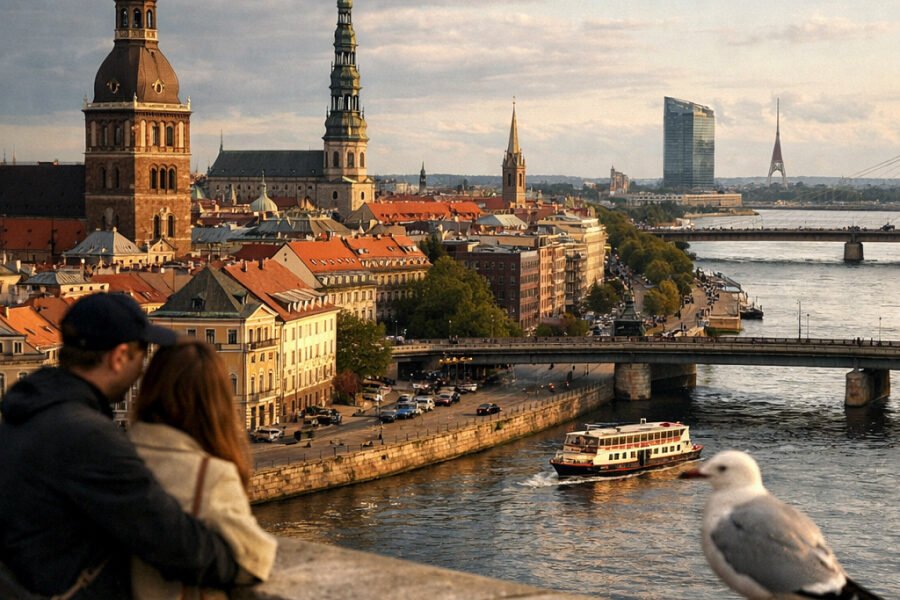
🎯Too Long; Didn’t Read
- Start in Old Town at Dome Square and Riga Cathedral, then wander freely—most highlights are close together.
- Don’t miss key landmarks like The Three Brothers and the House of the Black Heads for classic Riga architecture and atmosphere.
- For the best city view, go up St. Peter’s Church tower to see rooftops, spires, and the Daugava River.
- Add culture with the Latvian National Museum of Art, then walk through Art Nouveau streets (especially around Alberta Street).
- Visit the Museum of the Occupation of Latvia for essential 20th-century history and deeper context.
- See modern Riga at Spīķeri Quarter—revived warehouses with cafés, exhibitions, and riverside vibes.
- Eat your way through the Central Market: smoked fish, pickles, cheeses, berries, and pastries—simple, local, and authentic.
Getting to Know Riga’s Old Town
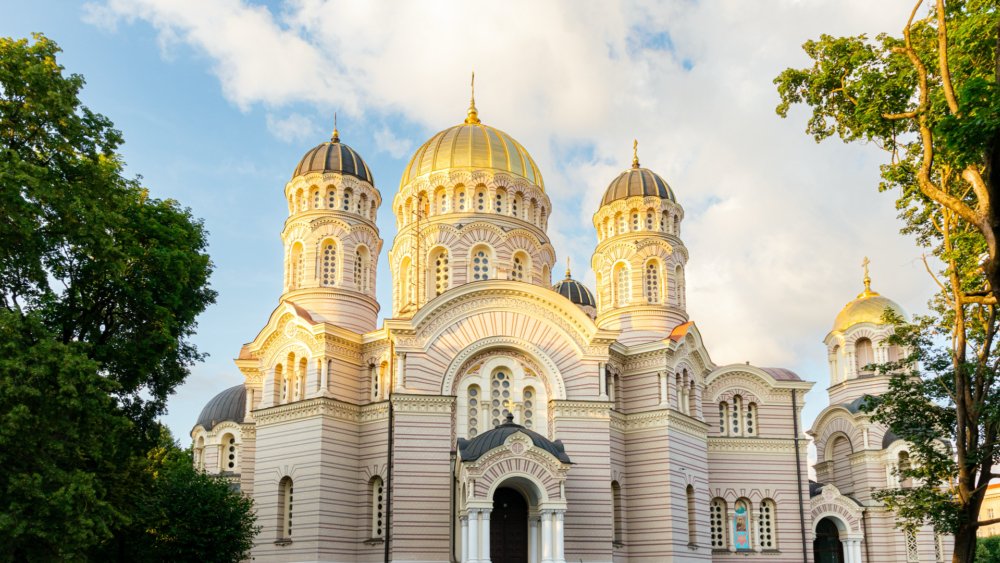
Riga Cathedral and Dome Square
Start at Dome Square. That’s how you get Riga’s scale – calm, unhurried, but crammed with history. Right there, Riga Cathedral pulls your eye. Its architecture is a layered thing, styles from different centuries stacked together. Inside, quiet takes over. The light falls soft through stained glass; details emerge slowly. The place makes you look carefully. That famous pipe organ, among Europe’s largest, dominates the space.
The square itself has a pulse. Markets pop up. Concerts happen. When the weather turns, terraces spill outward. From this center, the city fans out. Drift toward the river. Lose yourself in museums. Or walk toward those Art Nouveau streets, where the facades are anything but straight-faced history. The direction doesn’t matter. The movement does.
The Three Brothers, the House of the Black Heads, and Street Legends
Forget the map. Riga rewards the aimless walker. Its architectural heavy hitters sit practically shoulder-to-shoulder. Take the Three Brothers on Maza Pils Street – three houses, three centuries, one glance. They squash centuries of architectural shifts into a single view. Then there’s the unmissable House of the Black Heads, its façade a riot of detail, rooted in the history of a fraternity of unmarried merchants.
The real texture, though, fills the spaces between. Narrow lanes, sudden archways, silent courtyards. Plaques hint at forgotten trades: Tanner Street, Butcher’s Yard. These details stitch the route together. The walk becomes less a tour, more an uncovered narrative, guided by the whispers of cobblestones and old stone.
Viewpoints: St. Peter’s Church Tower and the Daugava Panorama
For a complete sense of Old Town, climb up. St. Peter’s Tower delivers that lasting imprint: a sprawl of rooftops and spires, street grids below, a stark line where history meets the modern city. Noticing the Daugava from here changes things – you see how that water defines the place. Down there, the promenade waits, an easy lead to bridges or green space. The view confirms the center’s scale; most highlights fit into a day’s walk. No rush. You can actually do this.
The climb itself – the tight spiral, the final iron steps – adds to the understanding. You feel the height. Wind pushes against the observation grate. From this perch, the promenade’s path along the water makes sudden geographic sense, a clear seam between the compact past and everything beyond. The layout clicks. Walkable doesn’t mean small; it means connected.
Culture and Museums: What to See Beyond the Classics
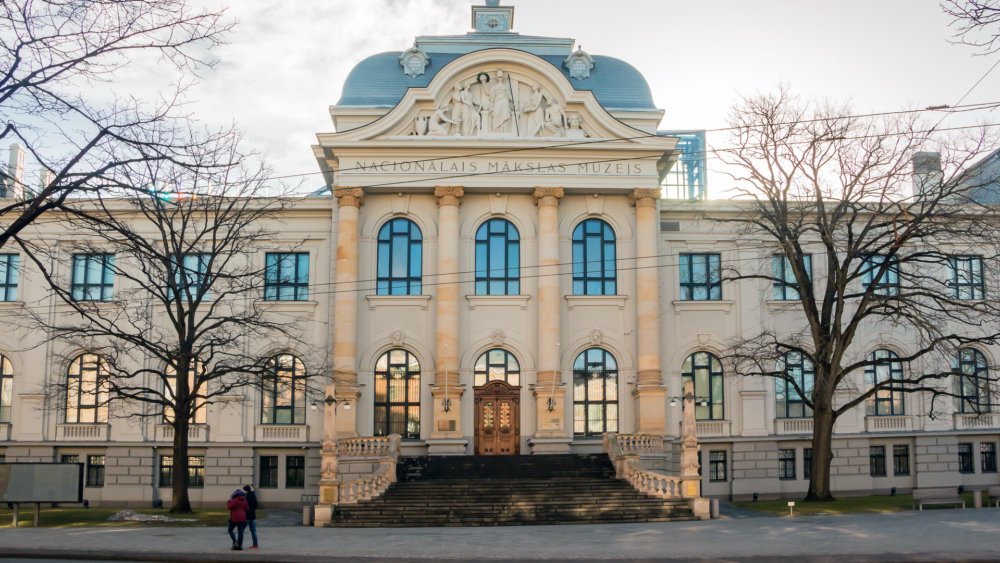
The Latvian National Museum of Art and Riga’s Art Nouveau
The Latvian National Museum of Art avoids that checklist mentality. Its exhibitions trace the pulse of Latvian art across time, housed in a building that demands attention – distinct, deliberate. From there, the theme spills directly into the streets. Riga crams Art Nouveau not into mere specimens but into whole city blocks.
Alberta Street and its surroundings are ground zero for this, facades crammed with staring masks, coiled flora, and dramatic sculptural work. The museum gets the ball rolling, providing context; the walk through the district cements it. This creates a single, connected route that flows naturally, eliminating wasted steps.
The Occupation Museum and the City’s Harder History
To grasp Riga’s core, step inside the Museum of the Occupation of Latvia. This isn’t a gallery of pretty things. It’s a raw account of a century – told through human stories that forged a nation. The style is strictly documentary: photographs, personal letters, everyday items. They trace repression, war, Soviet control. It frames history without drowning you in timelines; a practical choice if you’re pressed for time.
Afterward, the city center shifts. Monuments and buildings no longer read as merely old or new. You see cause and effect. The content sits heavy, so skip the loud entertainment. A quiet walk fits. It lets the weight settle.
Spīķeri Quarter and Modern Riga
Spīķeri cracks Riga open. This is the city breathing, not posing. Forget postcards. Head instead to these former warehouses along the Daugava. Their industrial bones now hold galleries, small shops, cafés. The space feels open, modern – avoiding that museum stillness.
Connect it to a walk by the river and the Central Market. The proximity creates a logical progression. In fair weather, pause by the water. Observe the movement, the bridges, the distant skyline of the Old Town. Inside, the buzz shifts; exhibitions rotate constantly. Each visit offers a different encounter.
Food and Drinks: The Taste of Riga in 1–2 Days
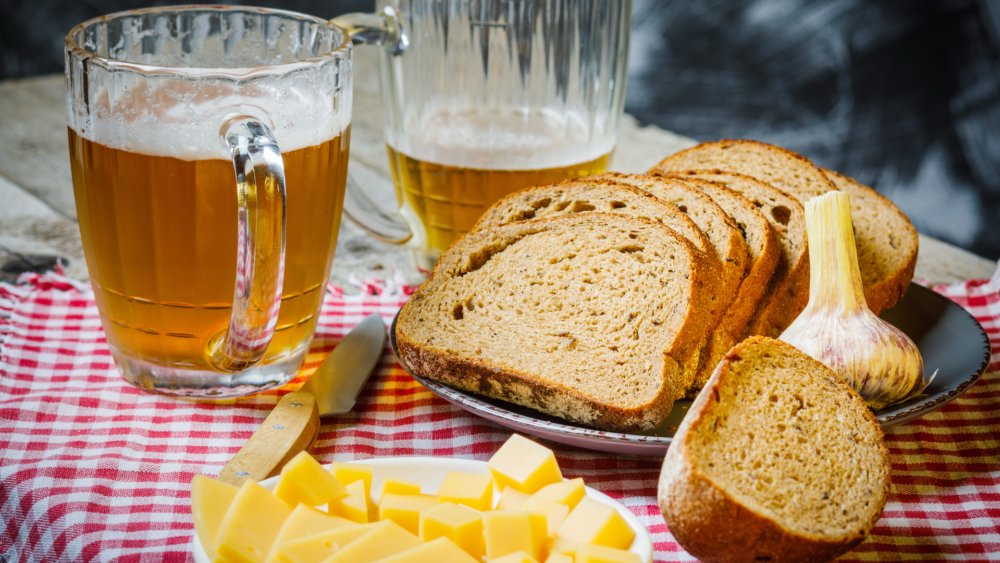
Central Market: What to Try and How to Bargain
Riga’s Central Market hits you with the city’s true rhythm and scent. Housed inside cavernous, historic hangars, the sheer size registers even for veterans of Europe’s other great markets. This is the spot to taste local food, no restaurant formalities – just smoky fish, sharp pickles, ripe cheeses, berries in season, and warm pastries.
For a quick bite, copy the locals: watch what they’re buying and ask short, direct questions. Haggling isn’t theater here; keep it to a calm, polite conversation. Have some cash on hand for small stuff – it beats fumbling with cards when the crowds swell.
Latvian Food: Gray Peas, Rye Bread, and Desserts
Riga feeds you well, without any fuss. That’s just what it does. Take the gray peas – a local staple. They come with meat or a savory sauce. Simple. Hearty. Stick-to-your-ribs stuff. Then there’s the rye bread. This isn’t an afterthought; it’s dense, fragrant, often studded with seeds. It holds up against rich soups or oily fish.
Beyond that, lean into the potatoes and smoked meats. For something sweet, think cottage cheese desserts, local honey, berries, or poppy-seed rolls. A heads-up: traditional spots serve generous portions. Consider splitting a main and grabbing a couple sides. You’ll taste more without overdoing it.
Cafés, Bars, and Riga Black Balsam: An Evening Route
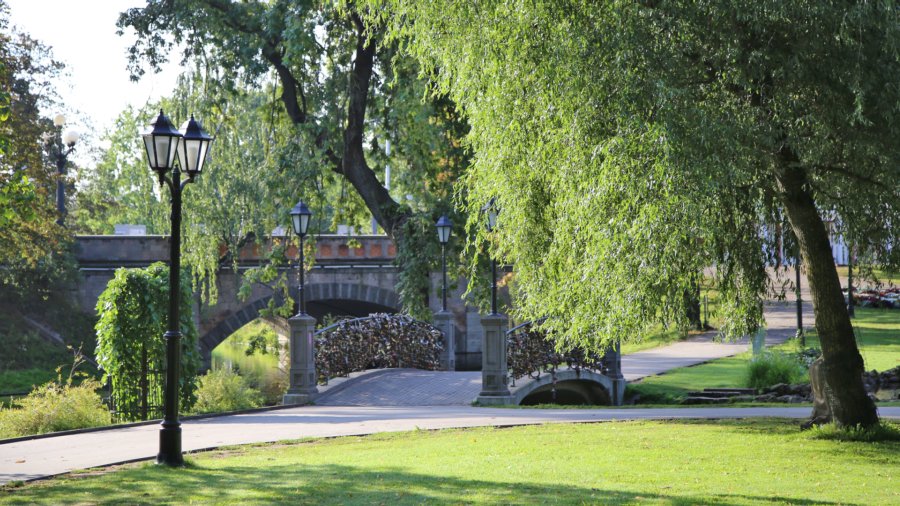
Riga manages that urban magic trick: feeling both green and seamlessly put together. Skip the packed boulevards and head straight for the canal by Bastion Hill. You’re practically in the center, yet the city’s buzz drops away. Water glides past, benches wait under trees, little bridges arch over – traffic noise just a distant hum.
It’s the ideal wander after a museum marathon or a heavy lunch. Movement without the grind. The pathways stay tidy, opening to calm peeks of central Riga’s architecture. Decent weather? Just plant yourself by the water for a bit.
From there, the city unfolds easily. The opera house is steps away, parks branch off. Extend your stroll back into the Old Town or drift toward the Art Nouveau district. No need for a plan; the route connects it all.
Walks, Parks, and Waterfront Breaks
Bastion Hill and the Canal: A Slow, Easy Walk
Riga can feel both green and well organized at the same time. One of the best low-effort routes is along the city canal by Bastion Hill. It’s almost the very center, but it feels different: water nearby, plenty of benches, trees, little bridges, and much less traffic noise. It’s a great walk after a museum or a big meal – movement without a long hike.
Along the way you’ll find neat pathways, photo spots, and calm views of central Riga’s buildings. If the weather is good, it’s a perfect place to sit by the water for a while. The opera house and several parks are close, so it’s easy to extend the walk – either back into Old Town or toward the Art Nouveau district and museums.
Mežaparks and Lake Ķīšezers: Nature Inside the City
Mežaparks offers a clear alternative to the city. When streets become too much, this expanse of forest provides space and quiet. People come here to walk for kilometers in near silence, to simply breathe. A half-day easily disappears: follow a path, stop for a picnic, drink takeaway coffee slowly.
The nearby presence of Ķīšezers Lake introduces water, a different light, a place to pause, which is particularly valued in summer. Reaching the area requires little effort – a tram or bus brings you close, and the layout feels intuitive upon arrival. It serves families with children just as effectively as the solitary visitor needing a pause between urban attractions. For greater momentum, rent a bicycle or simply keep walking – the network of paths continues.
A Half-Day Trip to Jūrmala: Beach, Pines, and Wooden Architecture
Need a quick escape from Riga? Jūrmala delivers. The train ride is short – perfect for a packed schedule. Once you arrive, the plan unfolds naturally. Walk the beach. Breathe the sharp scent of pine. Wander streets where silence settles. The wooden houses, with their unique craft, hold the town’s resort character firmly intact.
Good weather means you can lose hours without a plan. Stroll the shore. Grab a coffee. Return to Riga by evening. Remember: the coast often turns cooler, windier than the city center. Bringing an extra layer is just smart, even in summer.
Ultimately, Jūrmala is perfect for a half-day outing. It’s light. Relaxed. It never overwhelms.
Practical Travel Tips: Transportation, Money, and Safety
Getting Around: Trams, Tickets, and Apps
In Riga, you can usually walk where you need to go. For longer hauls – say, Mežaparks or the outer neighborhoods – the city’s public transport steps in. The system runs on trams, trolleybuses, and buses. Save yourself the hassle: get tickets in advance on your phone or a transit card. No last-minute scrambling at a kiosk.
Before leaving, check a route app. It’ll pinpoint your stop and can find you a direct line, avoiding tedious transfers. Service in the center is frequent, but after dark, waits grow longer. Plan around those gaps.
Need a taxi? Skip street hails. Official apps give clearer prices and fewer surprises. For short hops downtown, though, your own two feet still do the job best.
Where to Stay
Your choice of lodging defines the trip. Want to hit the ground walking, cramming every sight in? Base yourself near the Old Town or the central parks. You’ll lose less time to transit and can actually swing by your room midday – a serious perk. Prefer a slower pace? Look just outside the tourist core. Quieter streets, more space, same city.
Price swings hard with the season. Summer demand spikes; winter rates drop, unless it’s a holiday period. Don’t just fixate on map distance from the center. A place near a reliable tram line often beats a slightly shorter walk. That connection is everything.
One non-negotiable: if you’re arriving late, confirm your check-in won’t be a problem. It eliminates that last-minute hassle.
What to Know in Winter and Summer
Riga shifts with the seasons; your routine adapts. Summer stretches the days. Walks lengthen, terraces buzz. Even on warm days, wind snaps off the water – a light jacket or sweater is a no-brainer, despite the morning sun. Winter demands gripping soles and layers: cold outside, overheated indoors. Daylight runs short.
Plan museums, outdoor walks for the brighter hours. Evenings suit cafés, concerts, or a quiet Daugava riverside. Schedules shift seasonally – always check official sites before a specific visit. It’s the simplest way to avoid a closed door.
❓FAQ❓
Do I need to book museum tickets in advance?
Most museums let you buy tickets on-site, but weekends and special exhibitions can sell out, so booking online is a safe move.
Is Old Town accessible for strollers or wheelchairs?
It’s doable, but cobblestones and narrow sidewalks can be challenging—plan extra time and consider routes along wider streets or the canal paths.
What’s the best time of day to visit St. Peter’s Church tower?
Late afternoon is ideal for soft light and clearer views, and it’s usually less crowded than midday.




0 Comments