

🎯Too Long; Didn’t Read
- Hike rainforest trails in the national park on Tutuila
- Spot flying foxes and tropical birds on the way
- Swim/snorkel in calm, protected lagoons—don’t touch coral
- Chill at Two Dollar Beach and other local beaches
- Snorkel reefs for coral and reef fish
- Try kayaking, paddleboarding, or a lagoon tour
- Join a fiafia night for dance, music, and food
- Explore Pago Pago for history and museums
- Take coastal drives and stop at viewpoints
- Catch sunset from Mount Alava or overlooks
- Day trip to Aunu’u Island for quieter nature
- Eat local: oka + palusami, shop markets, follow village etiquette
Explore National Park of American Samoa
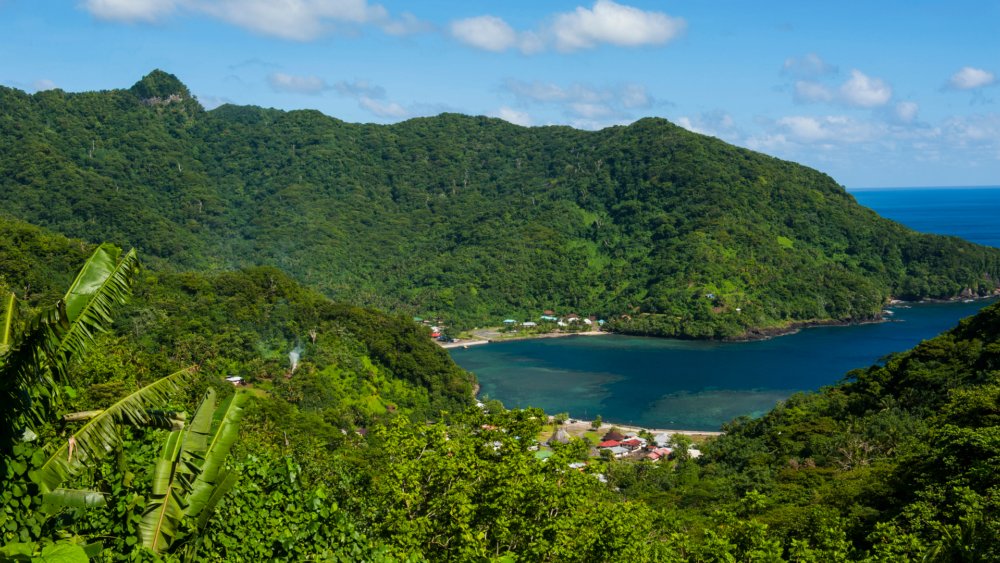
Hike the Rainforest Trails on Tutuila
For a raw hiking experience, head to Tutuila in the National Park of American Samoa. Tackle the Mount ‘Alava area—rainforest canopy, sharp ridgelines, payoff views. Consider the stats: the Park Service marks the Mount ‘Alava Trail as a full-day, 7-mile round trip. This isn’t a casual stroll; pack water.
The route shoves through dense jungle, with stretches turning steep and gnarly underfoot. Solid shoes are non-negotiable. Start early, keep your phone juiced, and respect the climb.
Spot Flying Foxes and Tropical Birds
The park reveals its wildlife almost by accident. Walk Tutuila’s rainforest trails and you’ll catch fruit bats—those flying foxes—cruising through the canopy. Birds call from every direction. The Mount ‘Alava Trail packs it all in: dense rainforest, bird chatter, and bat shadows on a single hike.
Slow down. Stop. Listen and scan the branches overhead. For photos, a zoom lens helps, but don’t stalk the animals. Let them appear. Mornings offer more action and a break from the heat.
Swim and Snorkel in Protected Lagoons
The water in American Samoa isn’t just clear; it’s a kind of blue you have to see to believe. The national park protects that—keeping coastlines raw and undeveloped. Skip the crowded tours. Instead, carve out a full day just to swim, somewhere quiet.
Grab reef-safe sunscreen, a rash guard, and fins for covering real distance. If the water turns choppy, don’t fight it. Choppy days will still be there tomorrow, or you can just find a calmer cove. Respect the space: give coral and sea creatures a wide berth, photos or no photos. The entire point is to leave zero trace you were ever there. Pack out what you pack in.
Beach Time and Ocean Adventures
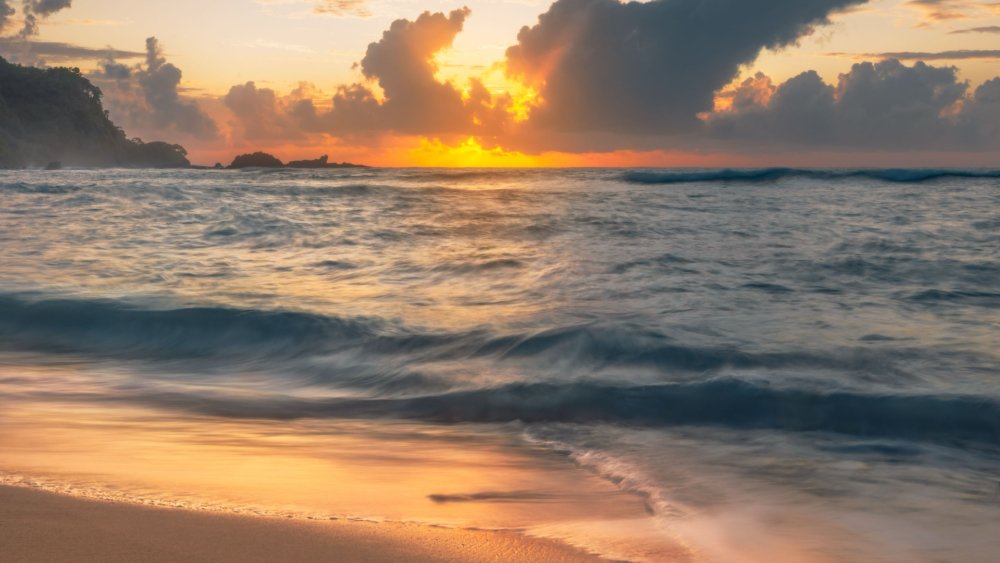
Relax at Two Dollar Beach and Local Favorites
Beach days in American Samoa demand little. Consider Two Dollar Beach on Tutuila, a clear-water go-to spot with room to sprawl. A practical note: it costs money. The name comes from an old two-dollar fee, though recent reports usually mention five. Bring water, snacks, and shade—the sun doesn’t play. With a group, it’s a straightforward choice. Swim. Float. Then commit to doing nothing.
Go Snorkeling with Coral Reefs and Reef Fish
Snorkeling here demands a return visit. Certain areas stay shallow and calm—perfect for first-timers. Others drop off without warning; always assess the conditions first. Timing dictates everything: choose a settled sea, when light cuts deep and clear. Keep fins high. A single misplaced kick can destroy in seconds what took decades to grow. Bring your own mask if possible; rental equipment is often iffy. Take pictures, sure, but don’t let the camera take over. Instead, slow down. Watch. Let the reef unfold around you.
Try Kayaking, Paddleboarding, or a Lagoon Tour
For something more active than beach lounging, get on the water. Kayaks and paddleboards work well on calm days, particularly in protected lagoons where you can glide instead of battling chop. The perspective shifts from the water: noticing how the shoreline bends, spotting dark patches of reef below, finding those pockets of electric blue so clear you’ll just flip over the side and drift.
Inexperienced? Skip the guesswork—join a lagoon tour or hire a local guide who knows the moody tides and safe channels. Pack light: a dry bag for your phone, water, a hat. That’s it. No hassle.
Island Culture, History, and Traditions
Attend a Traditional Fiafia Night
Skip the lecture. Instead, find a fiafia night. This is culture lived, not taught—a social gathering huddled around shared food, unspooling through music and dance. The rhythm takes over: group singing, pounding drums, coordinated movement. Sometimes, the night peaks with the electric crackle of sava afi, the fire-knife dance. No prior skill is required.
The drill is simple: arrive respectfully, absorb the vibe, and avoid planting your phone in someone’s sightline all evening. Should a buffet appear, sample widely. Tasting is participation. The experience builds through direct immersion, not observation.
Visit Pago Pago and Learn Local History
Pago Pago offers the real rhythm of daily life alongside its history. For a structured look, visit the Jean P. Haydon Museum to understand American Samoa’s cultural roots. The Tauese P.F. Sunia Ocean Center, part of the National Marine Sanctuary, provides another perspective.
Wander the town. Notice the layers—local customs, U.S. territorial status, the constant presence of the sea. Move slowly. Listen more than you talk. Let curiosity guide you, not a checklist.
Discover Samoan Craft, Dance, and Tattoo Culture
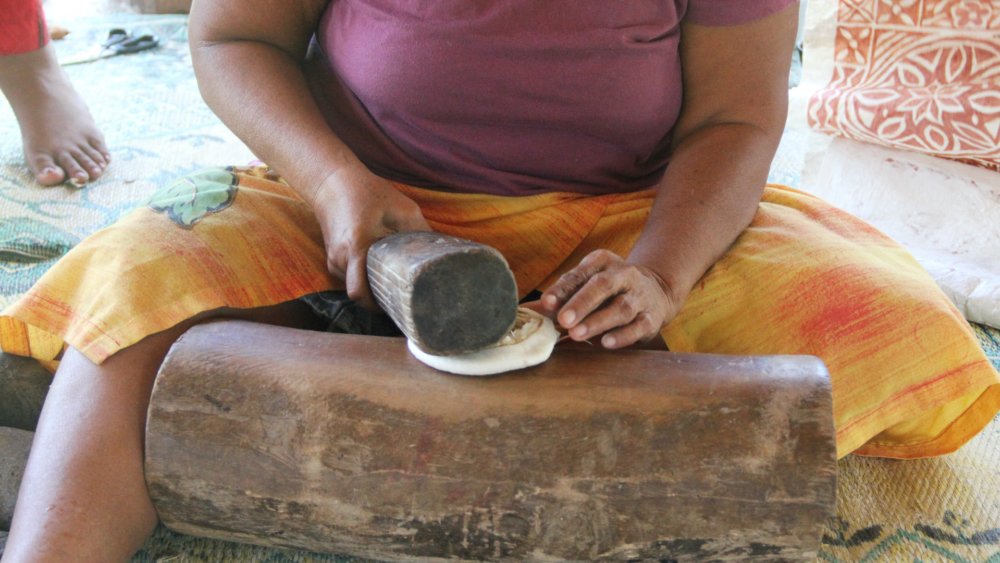
Samoan culture lives in the hands: the precise strike of the adze in carving, the deliberate weave of pandanus, the rhythms of ‘ava ceremonies, and the indelible marking of the pe’a. Handicrafts—woven ‘ie toga mats, carved ‘apa’ulu bowls, tapa cloth with its earthy patterns—are never mere souvenirs. Each object holds a specific history and social function. The Jean P. Haydon Museum provides context, documenting processes like the creation of siapo (tapa) and the sacred practice of tatau.
Regarding tattoo, particularly the traditional male pe’a or female malu, respect is non-negotiable. This isn’t a trend for casual adoption. The process is a profound rite, encoding genealogy and social standing. Engage with humility: ask genuine questions and actually listen. Understand that these traditions embody meaning and carry immense responsibility. When uncertain, the rule is straightforward: observe with deep appreciation, but never appropriate.
Day Trips and Scenic Viewpoints
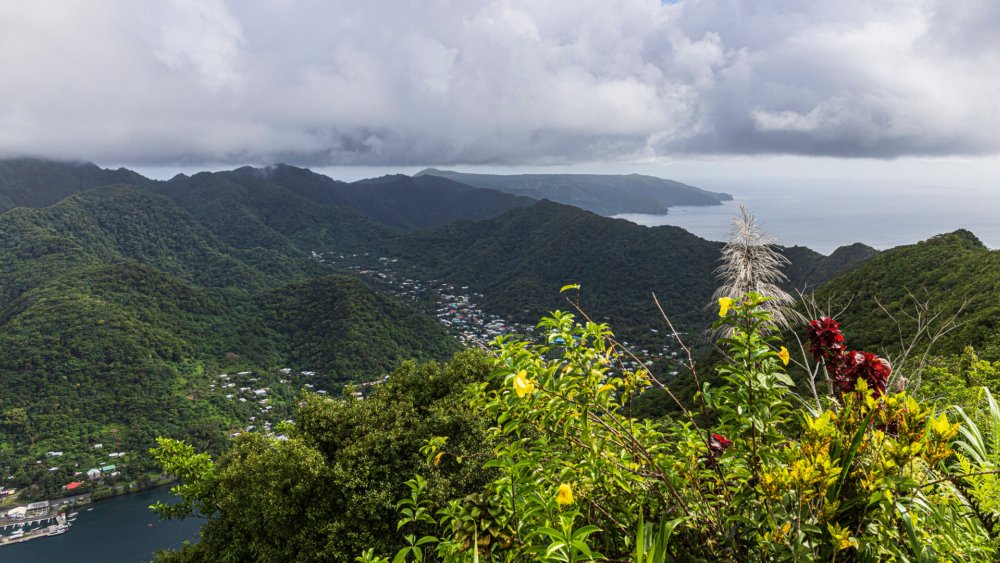
Drive the Coastal Roads for Epic Photo Stops
Drive the coastal road on Tutuila and plan for a full day. The route throws curve after curve, each one a sudden frame of the Pacific. You’ll pass villages, blink-and-you-miss-them clusters of houses, and sudden lookouts that demand a stop. Do this in daylight. Let the pace crawl.
Ignore sketchy pull-offs just for a shot. If you must take a photo, make it quick. Cars appear fast here—no warning. Bring water. Pack snacks. Eliminate the hourly hunt for food.
See something? A path, a curious boat on the shore? Don’t overthink it. Stop the car. Walk around. Take the photo. Move on. The road ahead holds more. Scout for safe shoulders, not just any viewpoint. Watch for local traffic and avoid becoming another rubbernecking tourist blocking a lane. The asphalt shimmers in places; potholes appear. Drive alert.
The value is in the slow reveal, the unplanned pause, the safety of a clear shoulder. The landscape does the work. You just need to pay attention.
Watch the Sunset from Mount Alava or Overlooks
Sunset hits different when you’ve earned the view. For a proper rainforest climb, the trail up Mount ‘Alava remains the classic ascent. It rewards you with that famous panorama of Pago Pago Harbor. Start early. Rushing spoils it, and navigating the descent in the dark is its own challenge—best avoided unless you’re ready. Not hiking? Seek out the roadside pull-offs and drive-up viewpoints instead. However you get there, the method matters less than the moment. Snap a photo if you want. Then let the camera drop. Just be there.
Explore Aunu’u Island for Quiet Nature Escapes
Aunu’u works for a quieter day. A small volcanic island sits roughly a mile southeast of Tutuila’s eastern tip. Reach it by boat, then explore on foot. The place offers a different rhythm—fewer distractions, more nature, more room to think. Wear shoes that can handle dust. Carry water; you’ll be walking. Manage expectations: this isn’t some packed tourist zone. That’s the appeal. Stay polite, keep noise low, pack out what you pack in. Simple rules. Better trip.
You’ll find the walk crosses varied terrain. The boat ride is brief. Local fishermen sometimes pass by. Silence here feels thick, broken by birdcall or rustle. The landscape shows its volcanic origin—rock, soil, sparse vegetation. Nothing manicured. Preparation matters. The return boat schedule dictates your pace. Forget souvenirs; the experience is the point.
Food, Markets, and Local Life
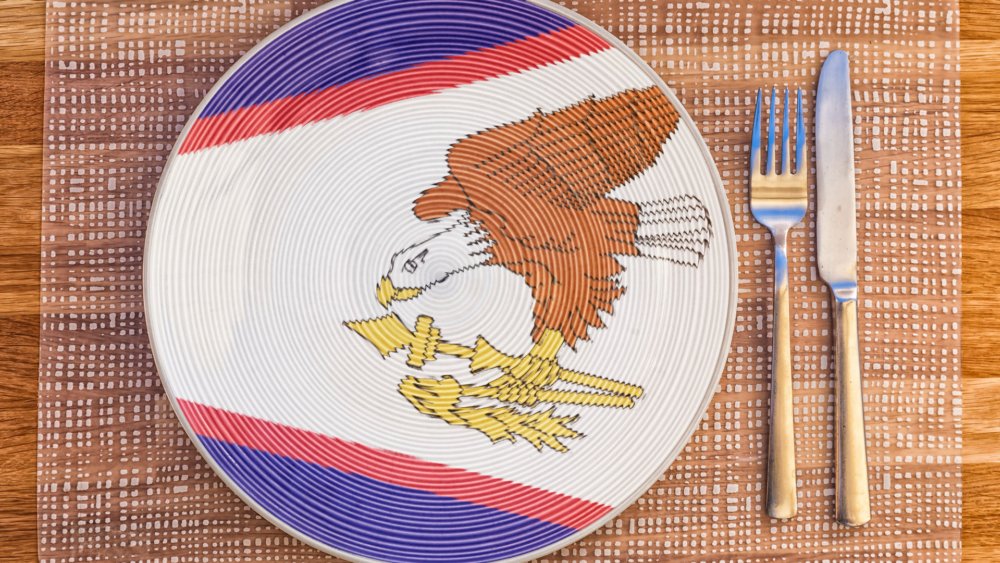
Taste Classic Samoan Dishes Like Oka and Palusami
Try local food early. Don’t save it for the last night. A dish like oka—raw fish marinated in citrus and coconut—is a common starting point. Palusami is another staple: taro leaves bundled around coconut cream, maybe with onion or meat tucked inside. Find it at buffets, family meals, local plate lunches. The flavor is intense, a creamy weight. Start small. If something’s unfamiliar, just ask. People expect curiosity. You’ll get a better answer, and maybe a story, instead of just guessing.
Shop at Local Markets for Tropical Fruit and Snacks
Markets pulse with raw, unfiltered energy. Piles of fruit. Quick snacks. Countless items you never intended to buy, yet somehow will. Arrive early for the full selection; cash remains king here. Start casual. Grab one or two things. Taste them. Return for more if it hits the spot.
With unfamiliar fruit, just ask how to eat it. Vendors tell you straight. Avoid squeezing everything like a television inspector. Select carefully. Pay what’s fair. Then keep moving—others need space to shop.
Learn Village Etiquette and Travel Respectfully
American Samoa welcomes visitors, yet its villages operate on respect. Dress modestly away from the sand. Keep your voice low. Treat private land as exactly that—private. Before lifting a camera toward someone or a communal space, always ask. A simple “is this alright?” makes all the difference.
Trails and beach accesses near villages come with local expectations. Read the room—and any posted signs. Remember, you’re a guest here. Politeness is non-negotiable. Tip where it’s customary. If you hear “no,” accept it. Don’t debate. This isn’t just etiquette; it’s the unwritten contract for a smooth visit.
❓FAQ❓
What’s the best time of year to visit?
Hiking and water activities are generally better in the dry season. That said, the weather here can shift on a dime—any time of year—so pack ready for anything.
Can I use US dollars and credit cards everywhere?
US dollars are the currency, and cards work in many places. But smaller spots often prefer cash. Don’t get caught short—keep some bills on you.
Is it easy to rent a car on Tutuila?
Yes, though rentals are limited. If you’re coming during a busy stretch, reserve early. Otherwise, it’s tough luck.




0 Comments