

🎯Too Long; Didn’t Read
- Self-guided travel means total freedom. You set the pace, choose the route, make spontaneous stops. No fixed schedule, no group, no compromises. Guided tours provide built-in structure. The itinerary is fixed – which feels either restrictive or pleasantly effortless, depending on your style.
- Guided tours deliver context. A skilled guide turns locations into stories, offering real-time answers and local perspective. Self-guided travel prioritizes personalization. You focus only on what interests you, skipping everything else instantly.
- Social experiences differ. Self-guided can be peaceful or isolating. Guided tours create easy social contact, though group dynamics sometimes grate.
- Cost isn’t straightforward. Tours have clear upfront pricing. Self-guided trips often “leak” money through transit mistakes, last-minute tickets, and constant small add-ons.
- Time is part of the budget. Guided tours reduce getting-lost friction but lock your schedule. Self-guided saves schedule pressure yet can waste hours.
- Safety balances personal vigilance against local know-how. Guides help avoid common pitfalls. Self-guided is fine if you stay alert and do the research.
- Accessibility could favor either. Tours might offer support like transport and breaks, or ignore needs entirely. Self-guided gives control but demands thorough preparation.
- Tech makes self-guided easier. Offline maps and audio guides mimic a tour – until the battery dies or the app fails.
- The best choice depends on destination and traveler type. Simple cities and flexible goals favor self-guided travel. Complex sites, tight timelines, or high-demand entries often favor guided.
- A hybrid approach usually works best. Use guided tours for high-context or logistically tricky experiences. Go self-guided for neighborhoods, food, parks, and slow days.
Core Differences at a Glance

Who Controls the Pace and Route?
Self-guided travel means you call the shots. Start when you want. Stop where you like. Linger for forty minutes in a single gallery room, then bail on the next two entirely – fine. Guided tours? Flip that script. The route is locked in. Pace depends on the guide, the clock, the group.
That structure can chafe, or it can be a total relief. It changes the energy, too. Going solo demands constant decisions; a guided experience hands that mental load off. You’re spoon-fed the itinerary. Prefer to wander, to shift gears mid-walk? Self-guided fits. It’s discovery on your own terms, not someone else’s watch.
Depth of Context and Storytelling
Guided tours provide facts in the moment – dates, names, the backstory. They explain why a place matters and how locals view it. A guide who knows their stuff connects details across locations. The experience becomes a narrative, not just a checklist.
Self-guided exploration can be deeply rewarding. But the depth relies entirely on your own preparation or your willingness to search on the fly. Audio guides and signage offer support, though they often miss the mark on those specific, spontaneous “why” questions.
For travelers who enjoy geeking out on research and cross-checking facts, the self-guided approach fits. For those preferring a curated story delivered clearly, guided tours usually take the prize.
Social Experience and Group Dynamics
Self-guided means solo, or just your own group. No forced small talk. No waiting around for strangers. To some, that’s perfect. To others, it turns isolating – especially when evenings go quiet too fast. Guided tours offer built-in social contact. You might meet others, swap tips, grab a meal later.
But group dynamics matter: diverging walking speeds, clashing interests, varying patience. Some tours handle this well; others really don’t. If slow movers or nonstop questions grate on you, guided can grind. If you want light socializing, it works.
Costs, Value, and What You Actually Pay For
Upfront Price vs Hidden Expenses
Guided tours show a price tag upfront. That can include transport, entry fees, or a reserved time slot, depending on the tour. Self-guided looks cheaper at first, but costs can leak in from small choices: extra transit rides, a last-minute taxi because you misjudged distance, paid audio guides, or booking fees. Also, planning time has a cost, even if it’s not money. With guided tours, you’re often paying for coordination and access.
With self-guided, you’re paying more in small pieces, and sometimes in mistakes. Neither is always cheaper; it depends on how you travel and how tight your plan is.
What “Value” Means in Each Format
Value isn’t just cost. It’s what you get back for what you spend. Guided tours can offer:
- curated route and timing
- local knowledge and Q&A
- fewer planning steps
- smoother entry with reservations in some cases
Self-guided value is different: - total flexibility
- your own priorities first
- easy to pause, detour, or skip
- no per-person tour premium for families or groups
If you only want to “see the thing” and move on, self-guided might be the better deal. If you want meaning and context without doing homework, guided can feel worth it.
Tips, Tickets, and Time: The Real Budget
Guided tours often come with extras. Expect to tip in some places. Optional upgrades pop up. Meals might cost extra. Stops sometimes pressure you to buy things – could be fine, could grate. Self-guided travel brings different surprises. Timed tickets vanish fast. You might overlook necessary transport passes. Popular attractions cost more at peak hours.
Remember time as part of the budget. Getting lost eats hours. Wrong lines drain minutes. Guided tours reduce that risk but lock you into their schedule. Self-guided moves at your pace – fast or slow. Plan your hours like you plan your dollars.
Comfort, Safety, and Accessibility

Navigating Logistics Without Stress
Self-guided travel puts the basics in your hands: navigating routes, checking hours, securing tickets, sorting transit, and confirming meeting points for every booking. If you prefer control, it works. If planning drains you, it can turn a day sour. Guided tours simplify the logistics. You show up and follow along. A guide manages timing, entry, and rerouting when plans shift – particularly useful in dense urban centers, sprawling historic quarters, or places with baffling public transport.
But guided options bring different pressures: fixed meeting times, no pausing, the need to keep up. Comfort comes from matching the format to your personal tolerance for planning and fixed schedules.
Safety, Risk, and Local Know-How
No tour format guarantees safety. Guided options cut down on specific dangers: veering into sketchy neighborhoods, missing unspoken local rules, or being stranded after dark. Guides usually know the pickpocket schemes, which alleys to avoid, and what behavior actually stands out.
Self-guided travel can be equally secure, but demands more focus – constant situational awareness, verifying conditions in real time, and choosing the cautious option when in doubt. Some destinations are simple, with clear signage. Others present complexity through chaotic traffic, language gaps, or isolated terrain. Higher-risk locations or lower personal confidence make guided tours a sensible buffer. For the experienced and alert traveler, going solo remains a perfectly solid choice.
Accessibility Needs and Travel Styles
Accessibility can be the deciding factor. Guided tours sometimes provide transport, avoid stairs, schedule rest breaks, or manage crowded spaces. But many tours ignore these needs entirely, and keeping up with a group’s pace is tough if you require frequent stops. Self-guided travel puts you in control: you sit, eat, and move entirely on your own terms. You pick step-free paths.
The catch? You’re responsible for the research. You’ll be scouring websites and forums, and details are often missing or vague. For specific requirements, seek tours that list exact route difficulties, distances, and bathroom access. If that data isn’t published, self-guided – with meticulous planning – is the safer bet. You’ll have to google it, call venues, maybe even gamble a little. But at least the schedule won’t leave you behind.
Learning Style and Personalization
Freedom to Follow Your Interests
Self-guided travel means building your day from the ground up. Choose street art, architecture, local markets – whatever floats your boat. Plans can be dumped instantly if they start to drag. Guided tours offer a curated path. Personalization stays limited. Even flexible guides follow a set route and theme.
For travelers irritated by a twenty-minute stop at some irrelevant monument, self-guided eliminates that friction. Prefer having your attention pushed toward unconsidered topics? A guided tour might just shift your perspective.
Ask Questions vs Self-Research
Guided tours give you a human search engine. You can ask, “What’s that building?” “Why is this here?” “What do locals think about this?” The answers vary with the guide’s skill and training, so quality matters. Self-guided travel pushes you toward self-research: reading signs, looking up details, checking multiple sources, and deciding what’s reliable. That can be satisfying or annoying. Some people love the hunt. Others just want the answer.
Also, questions aren’t only about history. They’re practical: where to eat nearby, which bus to take, what to avoid at night. Guides can help with that on the spot. Self-guided travelers can get the same info, but it takes effort and decent judgment.
Tech Tools: Audio Guides, Maps, and Apps
Tech has made self-guided tours way more doable. Offline maps, transit apps, museum audio guides, and location-based walking routes can create a guided-ish experience without a group. You can pause, rewind, and skip. That’s a big plus. The downside: battery life, weak signal, app bugs, and info that’s too generic.
Some audio tours are great; some are filler. Guided tours avoid the phone dependence and can respond to what’s happening around you in real time. Still, even guided travelers use tech for backup: meeting points, translation, quick checks. A practical approach is to keep a small toolkit either way: offline map, key addresses saved, tickets downloaded, and a portable charger.
How to Choose: Best Fit by Destination and Traveler Type
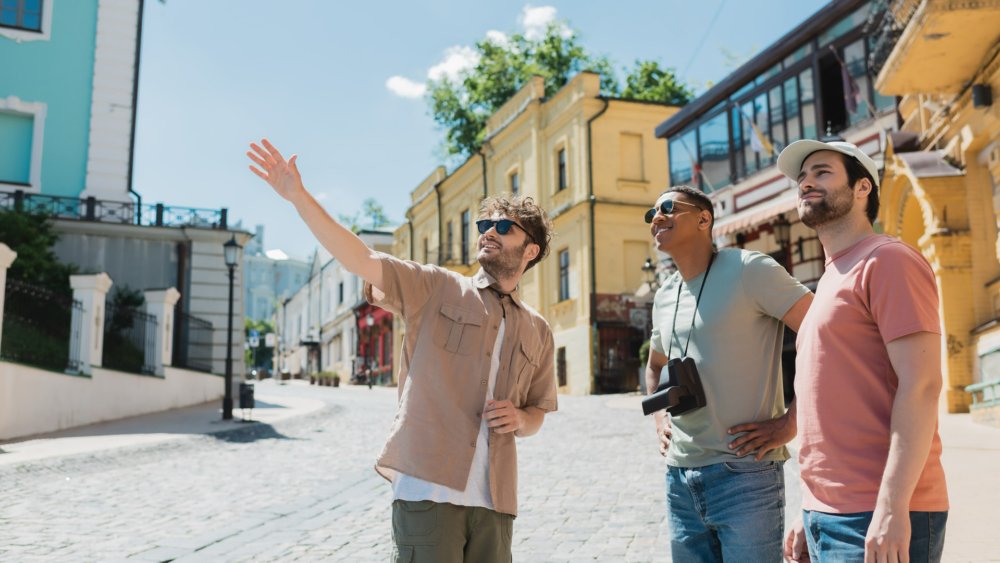
When Self-Guided Wins
Self-guided tends to work best when the destination is easy to navigate and your goals are flexible. Cities with clear transit, solid signage, and plenty of public info are strong candidates. It also wins when you value autonomy more than narration. If you’re traveling with kids, self-guided can be smoother because you can stop for snacks, breaks, and random detours without apologizing to a group.
It’s also great for repeat visitors who don’t need an overview. And if you’re on a long trip, self-guided days give you breathing room. You can mix museums, parks, and food stops without a fixed schedule.
When Guided Tours Shine
Guided tours are often the better call when the destination is complex or the site has layers that are hard to grasp quickly. Big historic areas, archaeology sites, and places where context matters can feel flat without explanation.
Guided also helps when timed entry is tricky or demand is high, since tours sometimes manage reservations and flow better. It’s useful when language barriers make logistics harder, or when safety concerns suggest sticking with a group and a local lead. It can also be smart for short trips. If you’ve got one day and want the highlights without spending half of it figuring things out, guided is efficient. Not glamorous. Just practical.
Hybrid Options: Mix Both for One Trip
You don’t have to pick one style for the whole trip. A hybrid plan often works best. Use guided tours for high-context, high-demand, or logistically annoying experiences, then go self-guided for everything else. A simple approach:
- guided on day one for orientation
- self-guided on slower days for neighborhoods, food, and parks
- guided for one “deep dive” topic you care about
This mix keeps costs under control while still giving you expert input when it matters. It also protects your energy. Some days you’ll want structure. Other days you’ll want to roam and see what happens. That’s normal. Plan for both and you’ll stress less.
❓FAQ❓
What if I don’t want a big group, but I still want guidance?
Options exist. Hire a private guide. Book a small-group tour. Try a live audio-guide app featuring local hosts. Another tactic: schedule a guide only for the initial hour – get your bearings, then continue alone.
Are “free walking tours” actually free?
They aren’t truly free. Most rely on tips. In popular destinations, the expected tip often matches the cost of a paid tour. View them as pay-what-you-think-it’s-worth experiences, not zero-cost outings.
How do I avoid ending up on a low-quality guided tour?
Skip the star ratings; dig into the details. Check comments on pacing, depth, and group size. Note if reviews call the tour “rushed,” “scripted,” or mention unexpected shopping stops. If several people highlight these issues, trust them. A tour that feels like a sales pitch is usually exactly that.




0 Comments