

🎯Too Long; Didn’t Read
For planning without overthinking:
- Puerto Rico packs cities, beaches, and rainforests into one trip. Logistics fall into place—no hassle.
- The U.S. Virgin Islands are all about the water. St. John’s park acreage dominates; island-hopping tailors the trip.
- Guam blends Pacific beaches with history. Shift between Tumon’s shores and WWII sites—the pace feels natural.
- The Northern Mariana Islands focus on quieter dives and Pacific rawness. Saipan and Tinian merge water and history smoothly.
- American Samoa delivers remote reset. Its national park stretches across three islands. Crowds stay light.
Travelers tend to skip right over U.S. territories when planning a trip. Florida or Hawaii? Endless debate. These spots, though? Often ignored. They deliver something else entirely, all without needing a passport.
Craving rainforest hikes, reef snorkeling, or World War II history? Want food that gets you out of the chain-restaurant rut? These islands have it.
A quick breakdown below: which territory fits you, what to actually do there, and why it’s a solid use of vacation time.
Before You Pick One: What “Best” Actually Means Here
Not every territory fits the same traveler. Some are easy-mode (short flights, lots of hotels). Others are more remote and require patience. So before you lock anything in, think about:
Your travel style
- City + beach + food: you want variety without a ton of logistics
- Water time: snorkeling, diving, boat days, repeat
- Hiking + nature: you’ll happily trade nightlife for trails
- History + culture: museums, forts, memorials, local events
Your tolerance for “not mainland convenient”
Some spots have fewer direct flights, fewer rental cars, or fewer late-night options. Not bad. Just different.
Documents (quick reality check)
For U.S. citizens, a passport isn’t needed for travel between the U.S. and Puerto Rico, the U.S. Virgin Islands, Guam, and the Commonwealth of the Northern Mariana Islands (CNMI).
American Samoa is the exception with its own entry requirements (more on that later).
Alright—let’s get into the good stuff.
Puerto Rico: The “Do It All” Territory
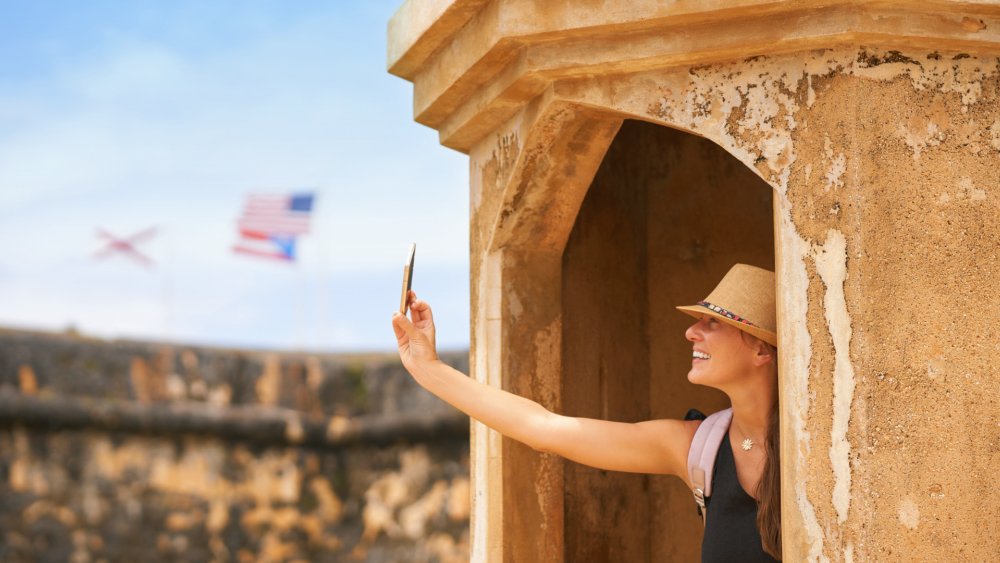
Puerto Rico is the easiest territory to recommend because it’s flexible. You can make it chill, packed, budget-friendly, or “treat myself,” depending on your mood.
Why it’s worth your time
Puerto Rico gives you:
- A real city feel in San Juan
- Beaches that don’t require a boat charter to enjoy
- Mountains and waterfalls when you need a break from the heat
- A food scene that goes way beyond “resort buffet”
And it’s not just “nice to visit.” It’s dense with things to do.
Old San Juan for history that’s actually fun
Old San Juan reveals itself to wanderers. The place unfolds step by step, leading you to the San Juan National Historic Site. Think forts: Castillo San Felipe del Morro and Castillo San Cristóbal. This isn’t a cram-and-scram history stop. It demands your afternoon. Boredom never enters the picture.
El Yunque for rainforest energy
You don’t go to Puerto Rico and skip El Yunque National Forest. It’s the only tropical rainforest in the U.S. National Forest System, and it sits in Puerto Rico’s northeast.
This is the move when your brain needs something that isn’t traffic and screens.
What to do there:
- Short hikes if you’re casual
- Longer trails if you’re trying to sweat
- Rivers and scenic areas year-round (bring shoes you can get wet)
Vieques + bioluminescence (if you want a special night)
Forget the standard sunset photos. Vieques offers a detour. The island’s claim is Mosquito Bay, cited by Puerto Rico tourism as the planet’s brightest bioluminescent bay. Manage expectations: brightness fluctuates nightly. No neon guarantee. But when conditions hit right, the water ignites. That glow sticks with you.
Who Puerto Rico is best for
- First-time territory travelers
- People who want beach + city + nature in one trip
- Anyone traveling with mixed groups (friends who want to party and friends who want hikes)
U.S. Virgin Islands: Your Beach Trip With Options
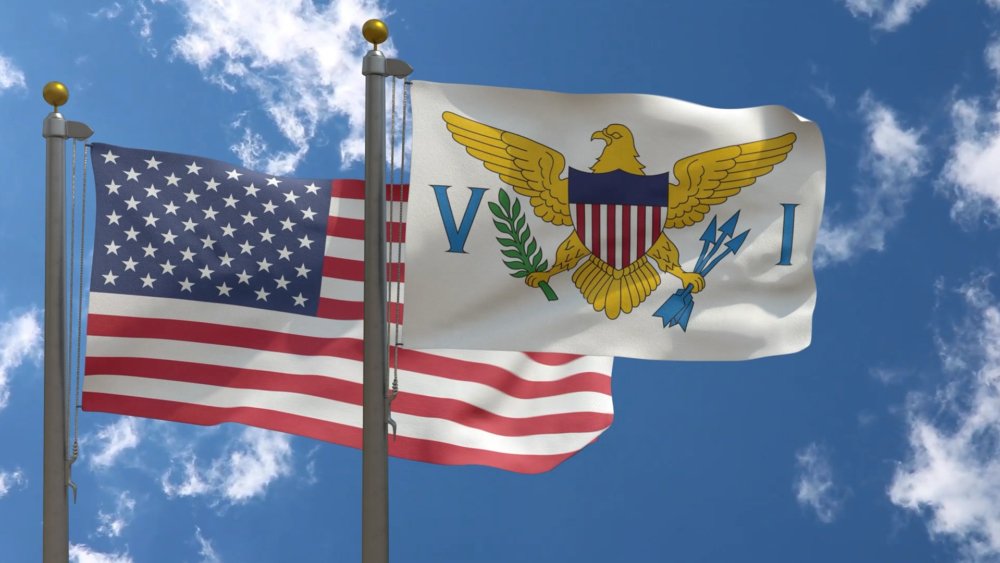
Think of the U.S. Virgin Islands (USVI) as a place where the water takes the lead. You’ll end up talking about the ocean, period. Everything else is just… extra.
Three main islands anchor the territory: St. Thomas, St. John, and St. Croix. A scatter of smaller islands and cays fills the map. You can find other things to do, obviously. But the sea is the story you’ll tell later.
Pick your island based on your vibe
St. Thomas: easiest landing + the most “busy”
St. Thomas is where many travelers start. It tends to have the most “I’m on vacation” infrastructure—more shopping, more tours, more places to grab dinner without a lot of planning.
If you’re traveling with someone who likes comfort, this island keeps things simple.
St. John: national park energy (and less chaos)
St. John is the calm pick, and it’s a huge win if you like nature and beaches that feel protected.
Virgin Islands National Park covers roughly 60% of St. John.
So instead of constant development, you get trails, shoreline, and preserved areas that keep the island feeling grounded.
This is the island you choose when you want:
- Snorkeling days
- Hikes with views
- A slower pace without being isolated
St. Croix: bigger island, more spread out
St. Croix is larger, with more space and a different feel. It can be a smart choice if you want beach time but don’t want everything to revolve around one tight tourist zone.
What makes USVI a “best territory” pick
USVI is the kind of trip where you can:
- Spend most days in water
- Take quick island hops
- Keep your schedule loose and still have a great time
And yes—U.S. citizens don’t need a passport for USVI travel, according to USA.gov.
Who USVI is best for
- Beach-first travelers
- Snorkelers and divers
- Couples who want a quiet-but-not-boring trip
- Anyone trying to fully log off for a few days
Guam: Pacific Beaches + Serious History
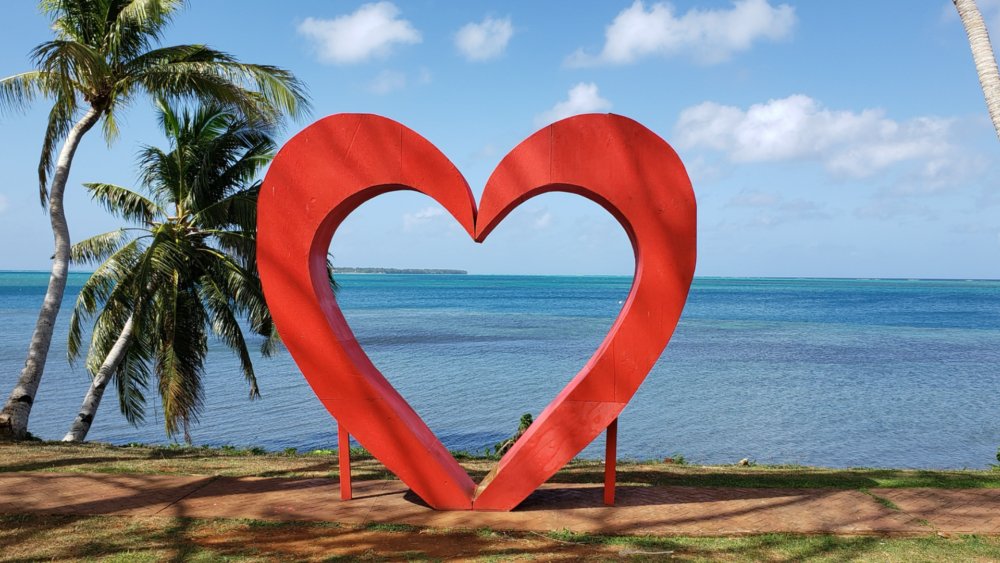
Guam feels different from the Caribbean territories fast. It’s in the western Pacific, with its own mix of cultures and a history that shows up everywhere—from language to food to memorial sites.
Indigenous people of Guam are the Chamorro, and their culture is central to the island’s identity.
Beach time is real here
A lot of visitors base themselves around Tumon, which is known for beaches and easy access to restaurants and shopping.
Travel orgs highlight spots like Gun Beach and Ypao Beach in Tumon, with snorkeling and protected areas in the bay.
If you’re the type who wants:
- A swim before breakfast
- A lazy afternoon in the water
- A quick sunset walk without a drive
Guam can deliver that.
War in the Pacific: not just “a museum stop”
Guam also has War in the Pacific National Historical Park, which focuses on the Battle of Guam and the island’s WWII experience.
This isn’t background trivia. It’s part of the place.
If you like travel that isn’t just beaches and drinks, this adds weight to the trip in a good way.
Travel logistics: easier for U.S. citizens
Again, for U.S. citizens: no passport needed for Guam travel per USA.gov.
Non-U.S. travelers should check entry rules carefully because they can vary depending on nationality and transit routing.
Who Guam is best for
- Travelers who want a Pacific destination without leaving U.S. territory
- People who like mixing beaches with history
- Anyone curious about Chamorro culture, local food, and island life that’s not Caribbean-style
Northern Mariana Islands (CNMI): For Divers, Quiet Beaches, and WWII Sites
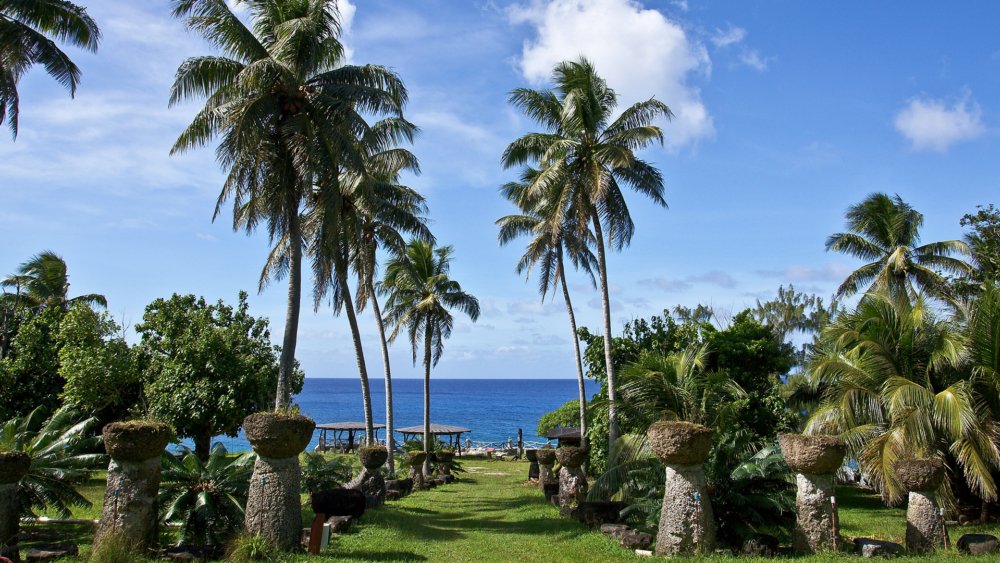
CNMI is for travelers who want something more low-key than a big resort circuit. The population is concentrated mostly on Saipan, Tinian, and Rota.
Saipan: the easiest starting point
Saipan typically serves as the base—it simply has the most infrastructure for visitors. Take The Grotto, for instance. It’s a premier spot for snorkeling and diving, consistently ranked highly by those who go beneath the surface.
But heads up: this isn’t some gentle, float-around beach. Conditions dictate everything here; respect is mandatory. For water enthusiasts seeking space over crowds, Saipan delivers. You get the activities without the packed scenes.
Tinian: heavy WWII history
Tinian is where things get intense—in a history-nerd way.
North Field (Tinian) was a WWII airfield and today it’s considered a tourist attraction, tied closely to the island’s wartime role.
There are also NPS materials covering the broader WWII significance of Tinian’s landing beaches and airfields.
Rota: the quiet choice
Rota is often the pick for travelers who want fewer crowds and a more local pace. It’s not the island you choose for nightlife. It is the island you choose for calm mornings and outdoors time.
Entry notes (important for non-U.S. visitors)
CNMI has its own Guam-CNMI Visa Waiver Program process for eligible travelers, including an official ETA system run through U.S. Customs and Border Protection.
For U.S. citizens, no passport is needed when traveling between the U.S. and CNMI.
Who CNMI is best for
- Divers and serious snorkelers
- People who want a quieter Pacific trip
- Travelers who like WWII history and don’t mind doing some planning
- Anyone bored of the usual vacation “loop”
American Samoa: Remote, Nature-Heavy, and Not a Quick Weekend
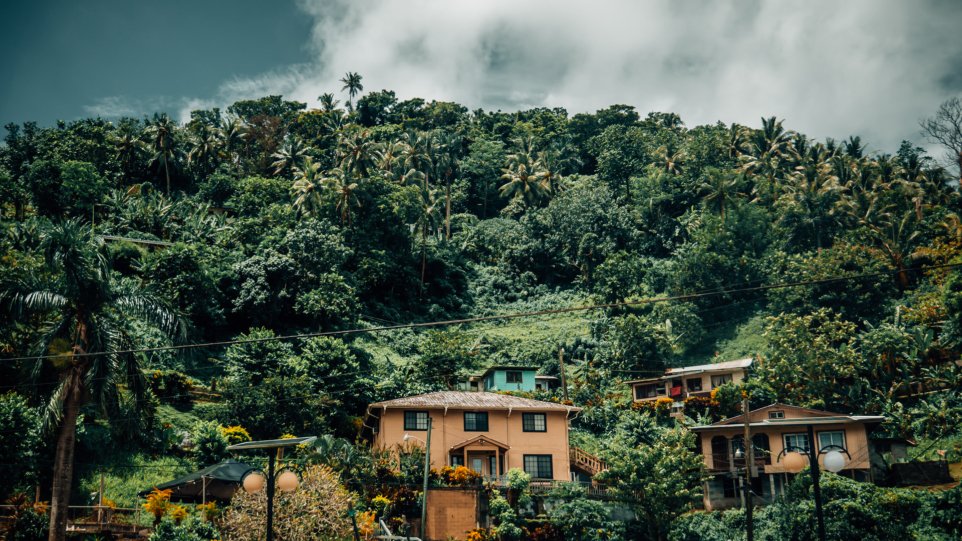
American Samoa is the territory you pick when you want distance from mainstream travel routines. It’s not built for mass tourism, and honestly, that’s part of the appeal.
The National Park of American Samoa is the big reason to go
The National Park of American Samoa isn’t contained in one place. It sprawls across three islands—Tutuila, Ta‘ū, and Ofu. Think rainforest, then reefs. The snorkeling is legit. This setup is unusual for a U.S. park. Your trip becomes a multi-stop journey, more mini expedition than simple trail visit.
It’s not “hard,” but it takes effort
Flights and timing matter more here than in Puerto Rico or USVI. You’ll want to plan ahead and move with intention.
Entry requirements are different here
Entry rules for American Samoa differ from the mainland. The U.S. Department of the Interior specifies that U.S. citizens or nationals need one of two documents: a valid passport or a certified birth certificate proving nationality. That’s not all. You also must show either a ticket for onward travel or solid proof of employment locally. No standard domestic flight here. Plan accordingly.
So yeah—don’t treat it like a casual hop.
Who American Samoa is best for
- Hikers who want rainforest trails and coastal views
- Travelers who prefer quieter places
- People who don’t mind fewer tourism “shortcuts”
- Anyone who wants a U.S. territory trip that feels genuinely far from the mainland routine
❓FAQ❓
Do U.S. territories use U.S. dollars?
U.S. territories all use the U.S. dollar. No currency exchange needed.
Will my phone work the same way it does on the mainland?
Your phone will likely work. Coverage generally mirrors the mainland, but roaming policies depend entirely on your carrier. Check your plan beforehand to avoid getting slapped with fees.
Do I need a driver’s license to rent a car there?
Renting a car requires a standard U.S. driver’s license. Reservations are key, however—some islands have very few vehicles available. Book early.




0 Comments